
Posts by Andrew J. Liersch III
Construction Loan vs. Fix-and-Flip Loan: Which Does Your Project Need?
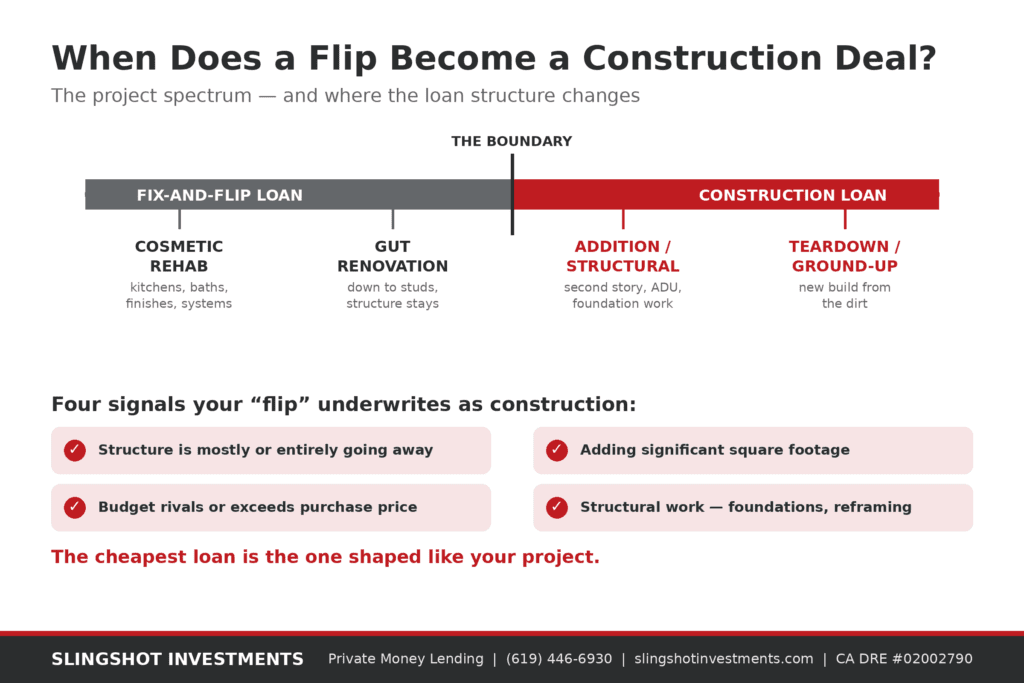
By Andrew J. Liersch III — Founder & CIO, Slingshot Investments. 10+ years in private lending, $500M+ funded. Former Wells Fargo Private Mortgage Banking, Bear Stearns, and Deloitte Consulting. Short answer: A fix-and-flip loan funds the purchase and renovation of an existing structure; a ground-up construction loan funds land plus a build from the dirt. The interesting question lives in…
Read MoreHow Much Land Value Counts Toward a Construction Loan?
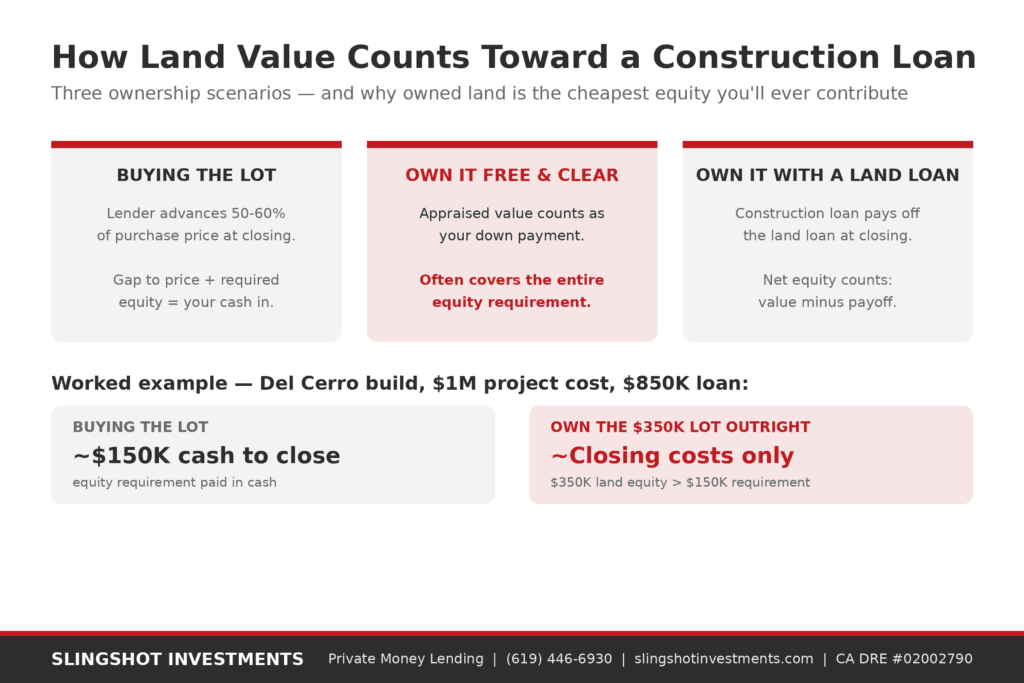
By Andrew J. Liersch III — Founder & CIO, Slingshot Investments. 10+ years in private lending, $500M+ funded. Former Wells Fargo Private Mortgage Banking, Bear Stearns, and Deloitte Consulting. Short answer: If you own your lot free and clear, its appraised value typically counts as equity toward your down payment — and on many deals, it covers the…
Read MoreHow Do Private Money Lenders Underwrite a Ground-Up Construction Loan?
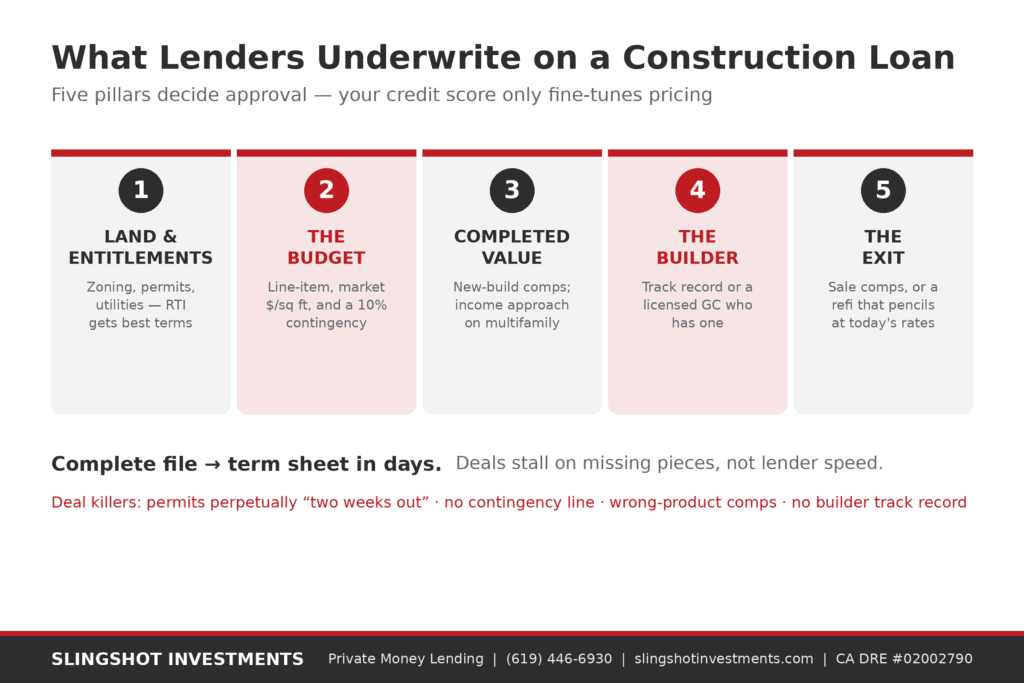
By Andrew J. Liersch III — Founder & CIO, Slingshot Investments. 10+ years in private lending, $500M+ funded. Former Wells Fargo Private Mortgage Banking, Bear Stearns, and Deloitte Consulting. Short answer: Private money construction underwriting comes down to five pillars: the land and its entitlements, the construction budget, the completed value, the builder, and the exit. Your credit…
Read MorePrivate Lending Market Update: What Mid-2026 Data Tells Real Estate Investors
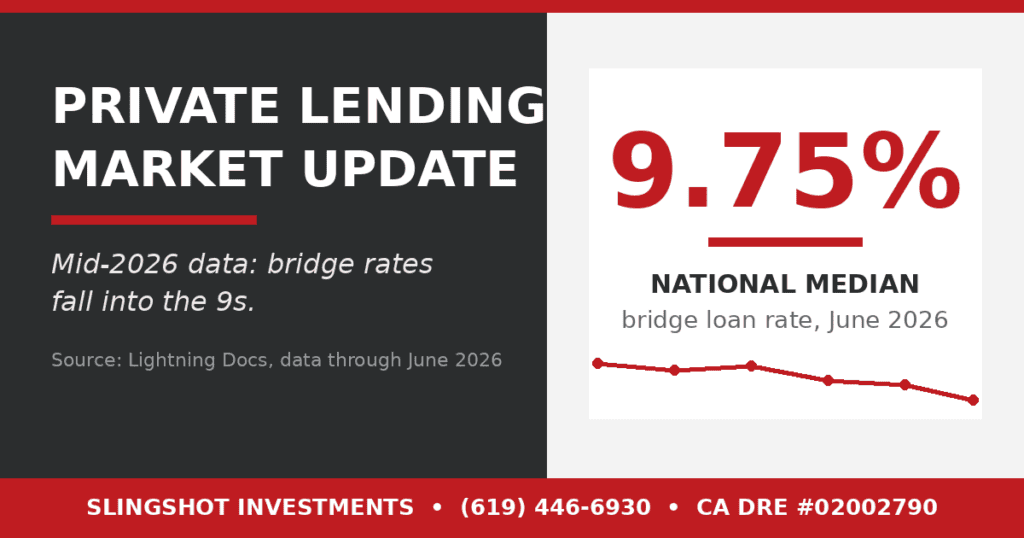
By Andrew J. Liersch III — Founder & CIO, Slingshot Investments. 10+ years in private lending, $500M+ funded. Former Wells Fargo Private Mortgage Banking, Bear Stearns, and Deloitte Consulting. Halfway through 2026, the private lending market update is unambiguous: money is getting cheaper, volume is accelerating, and construction lending is the breakout story of the…
Read MoreWhat Does a Ground-Up Construction Loan Cost?
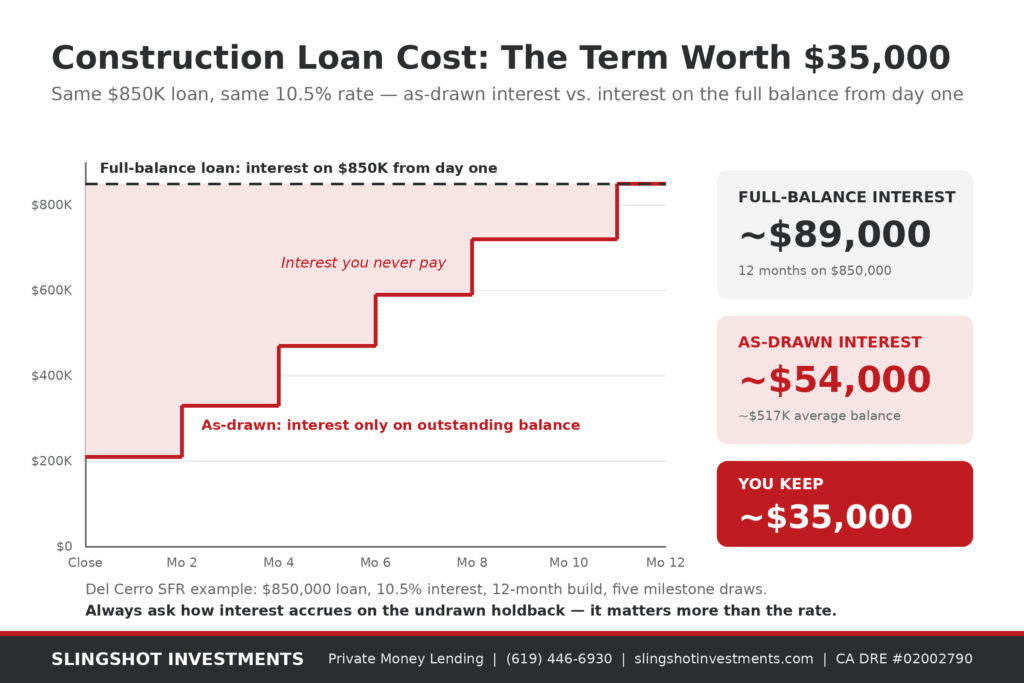
By Andrew J. Liersch III — Founder & CIO, Slingshot Investments. 10+ years in private lending, $500M+ funded. Former Wells Fargo Private Mortgage Banking, Bear Stearns, and Deloitte Consulting. Short answer: In mid-2026, a private money ground-up construction loan typically prices at 9.5–11.5% interest and 1.5–3 points, plus a fee stack (documents, underwriting, appraisal, draw inspections, title)…
Read MoreHow Do Ground-Up Construction Loans Work?

By Andrew J. Liersch III — Founder & CIO, Slingshot Investments. 10+ years in private lending, $500M+ funded. Former Wells Fargo Private Mortgage Banking, Bear Stearns, and Deloitte Consulting. Short answer: A ground-up construction loan funds a new build in two pieces. At closing, the lender advances against the land — the purchase price if you’re…
Read MoreWhat Does a Fix-and-Flip Loan Cost?

By Andrew J. Liersch III — Founder & CIO, Slingshot Investments. 10+ years in private lending, $500M+ funded. Former Wells Fargo Private Mortgage Banking, Bear Stearns, and Deloitte Consulting. Short answer: A fix-and-flip loan in 2026 generally costs about 9–12% interest (interest-only) plus roughly 1.5–3 points at closing, with some additional fees for appraisal, per-draw…
Read MoreHow Fast Can You Close a Private Money Loan?

Short answer: A private money loan on a fix-and-flip can close in roughly 8–10 days for a clean file — and in a pinch, faster. That’s a fraction of the 30–45 days a conventional loan typically takes, because private lenders underwrite the property and the exit instead of spending weeks verifying income and debt. The…
Read MoreBridge Loan Rates Just Hit a 12-Month Low: What Hard Money Costs in Mid-2026 (and Why San Diego Borrowers Are Paying Less)

By Andrew J. Liersch III — Founder & CIO, Slingshot Investments. 10+ years in private lending, $500M+ funded. Former Wells Fargo Private Mortgage Banking, Bear Stearns, and Deloitte Consulting. If you’ve been waiting for private money to get cheaper before pulling the trigger on your next project, the data says the wait is over —…
Read MoreWhat Is a Draw Schedule on a Rehab Loan?

Short answer: A draw schedule is the agreed plan for how a lender releases the renovation portion of a fix-and-flip loan – in stages, as work is completed, rather than all at once. You complete a phase of work, request a draw, an inspector verifies the work is done, and the lender reimburses you for…
Read More